UlukaleVillage Archive
Home · Historic Buildings
Heritage Worked in Stone

Historic Buildings & Vernacular Architecture

Shaped in the Ottoman period, Ulukale's historical fabric is a rich whole of places of worship, public buildings and adobe mansions. Most of the buildings below still stand today — some intact, some as ruins.

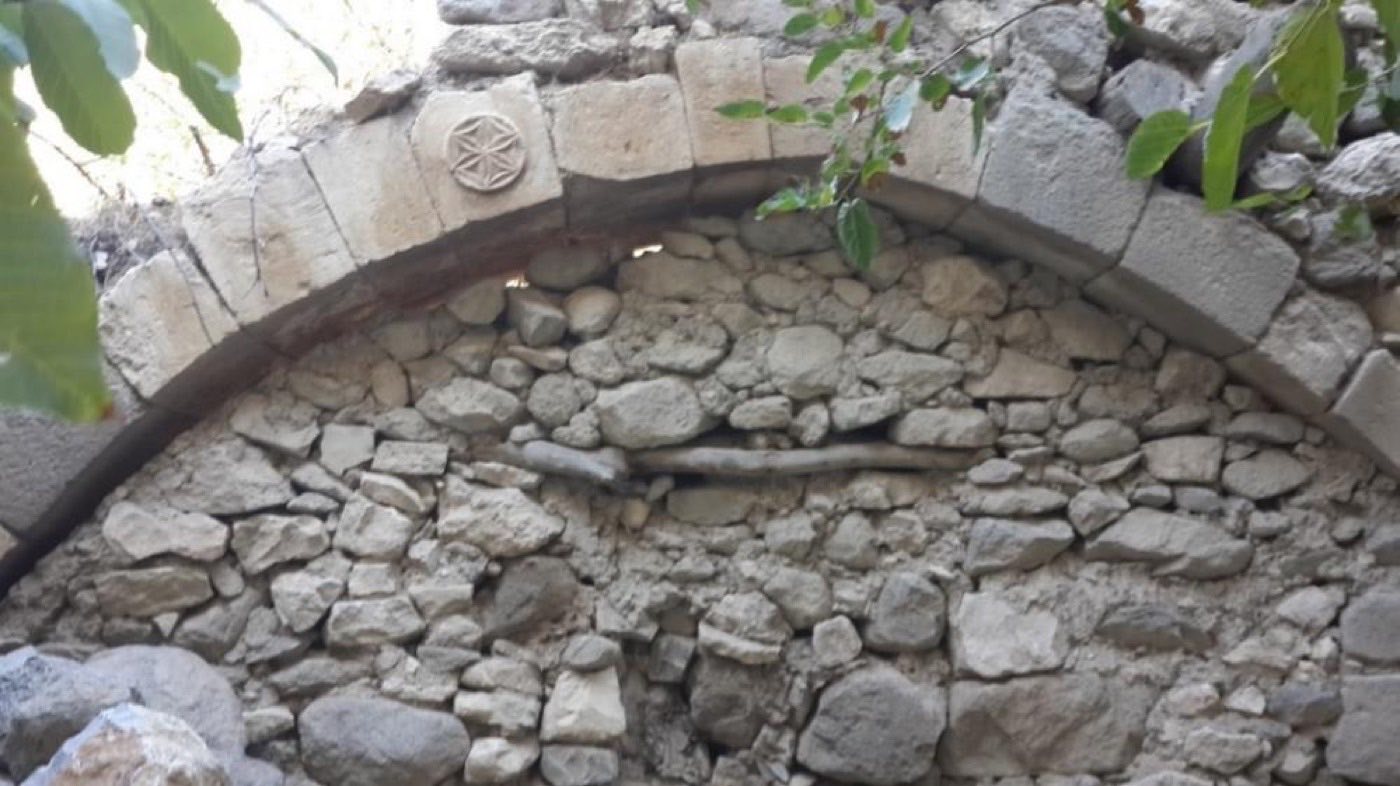
Mosque

The mosque walls, notable for their rounded arches, are among the clearest traces of Ottoman building tradition in the village. The arched openings still stand today.

Church

A witness to the village's multi-faith past. The presence of mosque and church side by side in the same settlement shows Ulukale's cultural layering.

Ferruhşad Bey Tomb

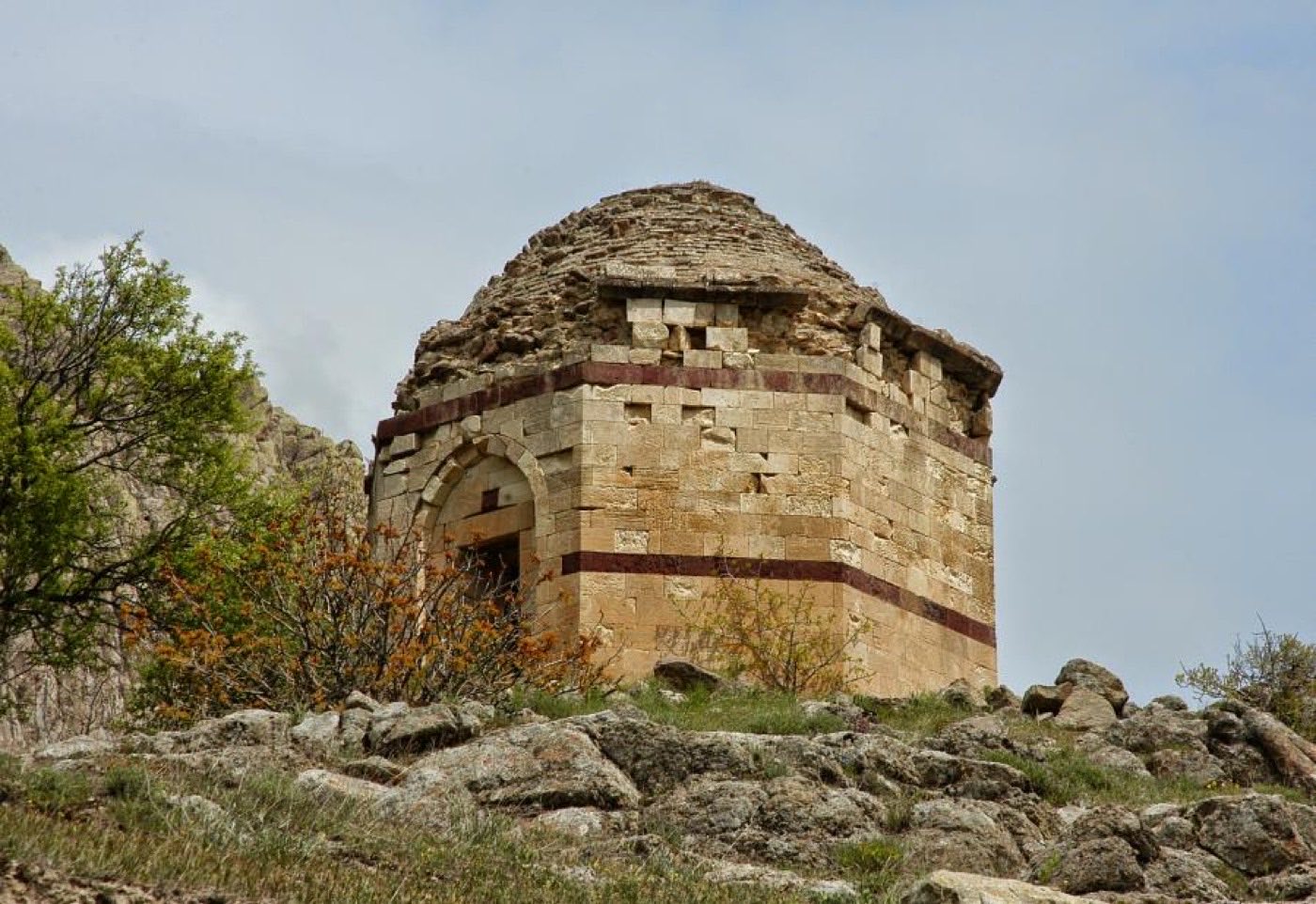
An octagonal cut-stone tomb completed in 1550–51. Ferruhşad Bey, son of Pir Hüseyin Bey — the first Ottoman governor of Çemişgezek — rests here; the structure was recently restored.

Fountain

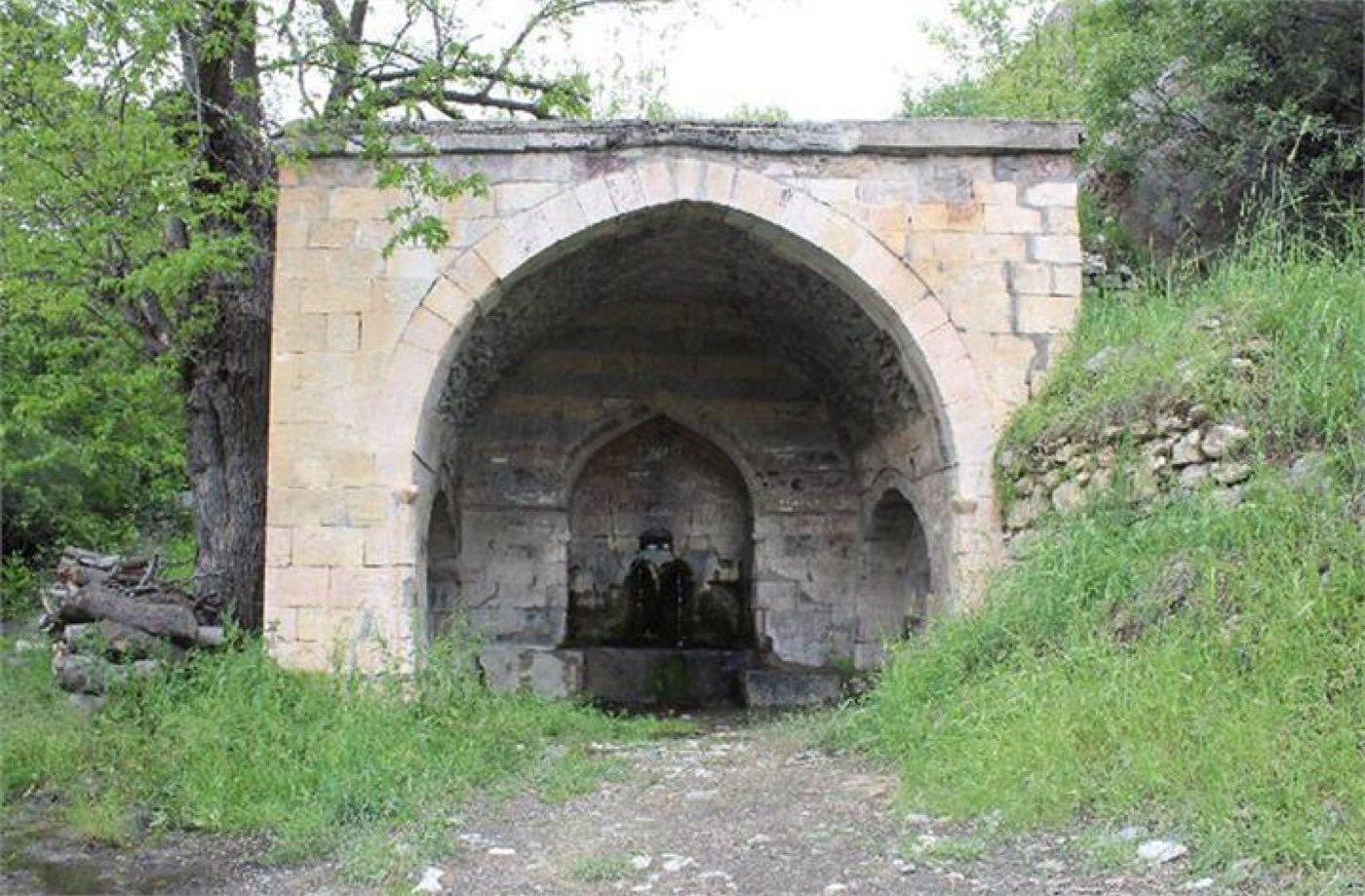
Still standing from historical times to today, the fountain was the heart of village life — the centre of water, conversation and daily encounters.

Bath (Hamam)

One of the signs of being a district centre, the bath carries the trace of the village's public life and prosperity.

Water Mill

Turning with the valley's water, the mill is part of the village's economic memory. Here grain became flour, and labour became bread.

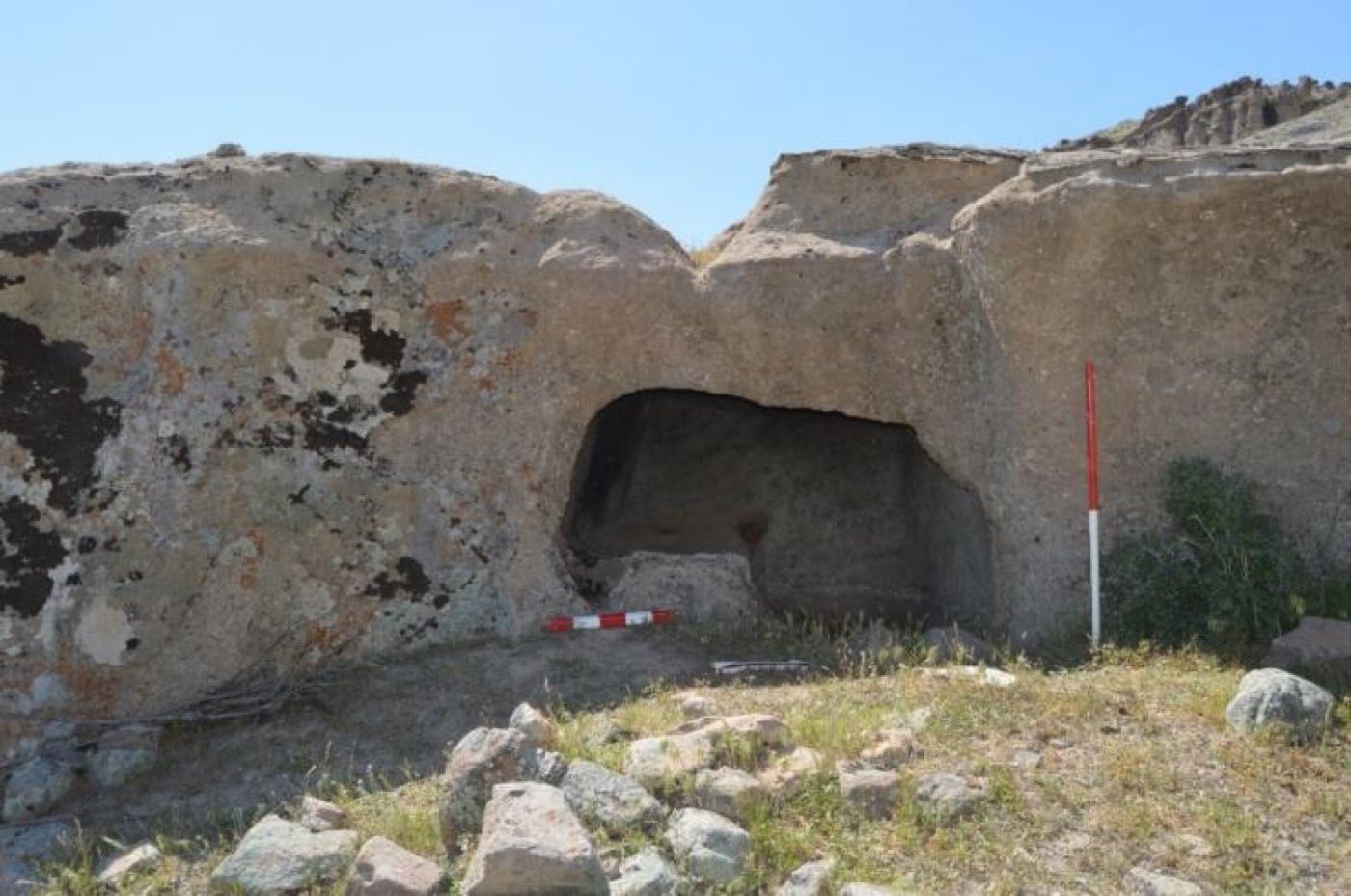
Rock-cut Tomb

Dated to the Hellenistic–Roman period, the rock-cut tomb is the most tangible proof of the village's ancient past. Carved into the rock, this structure is thousands of years old.

Adobe Houses & Mansions

Adobe houses with wooden windows and earthen roofs, together with historic mansions, form the village's vernacular fabric. Each house is a family's story.

Mulberry Orchards

Though not architecture, an inseparable part of the village's landscape. Mulberry growing is still the villagers' main livelihood today.

Documentation

Those still standing

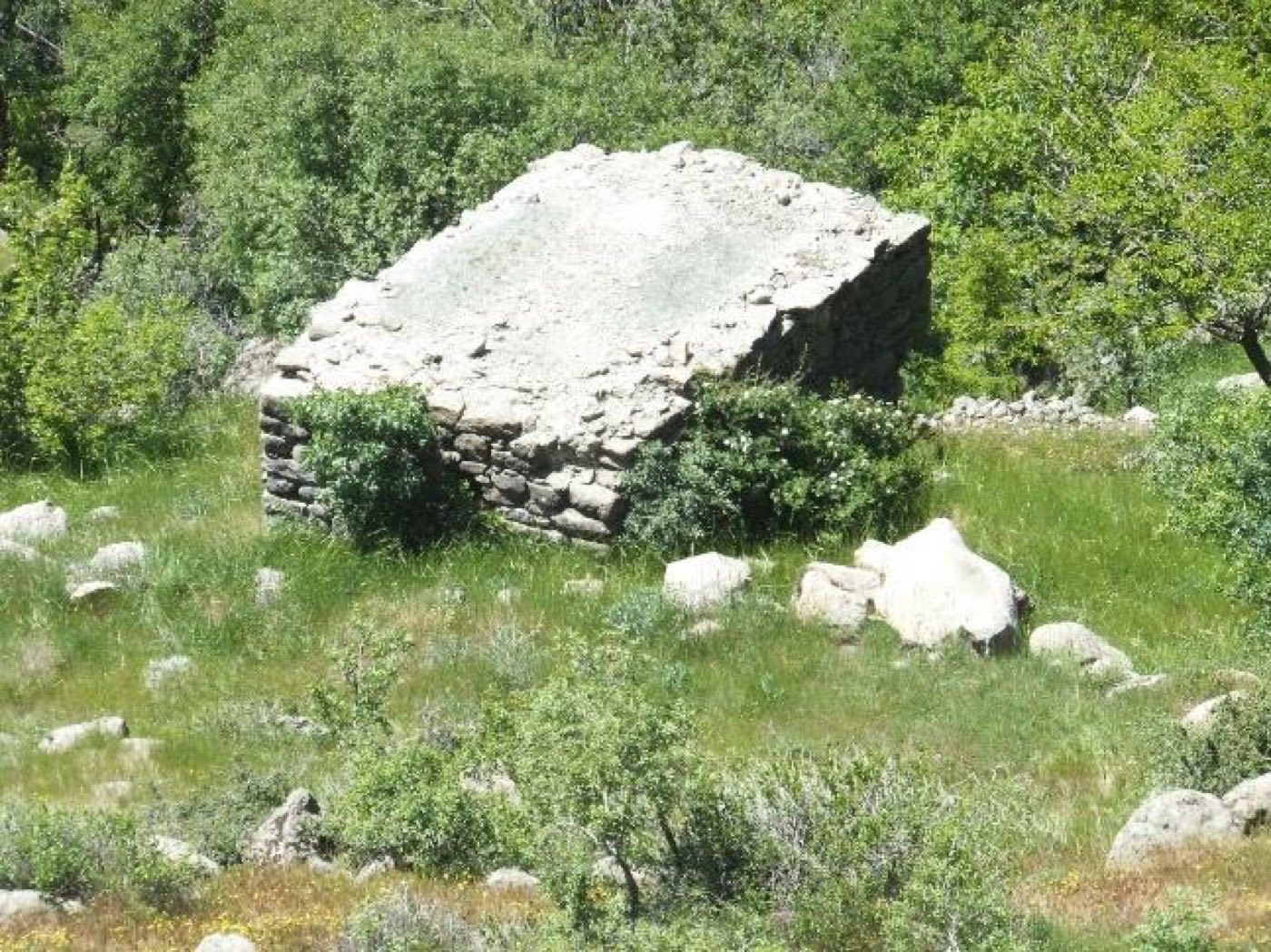
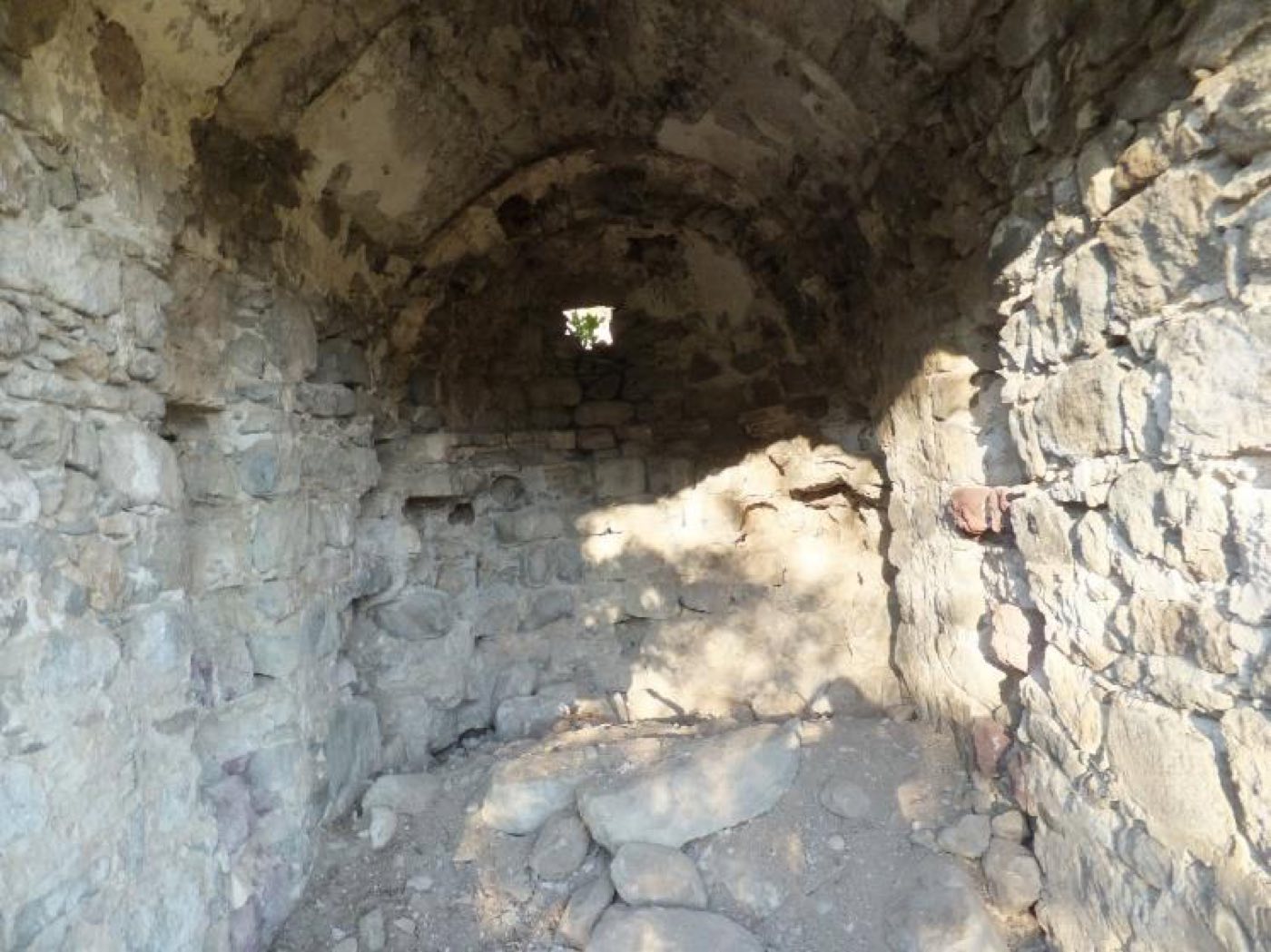
Some of the buildings still stand today — some intact, some as ruins. The frames below document them.
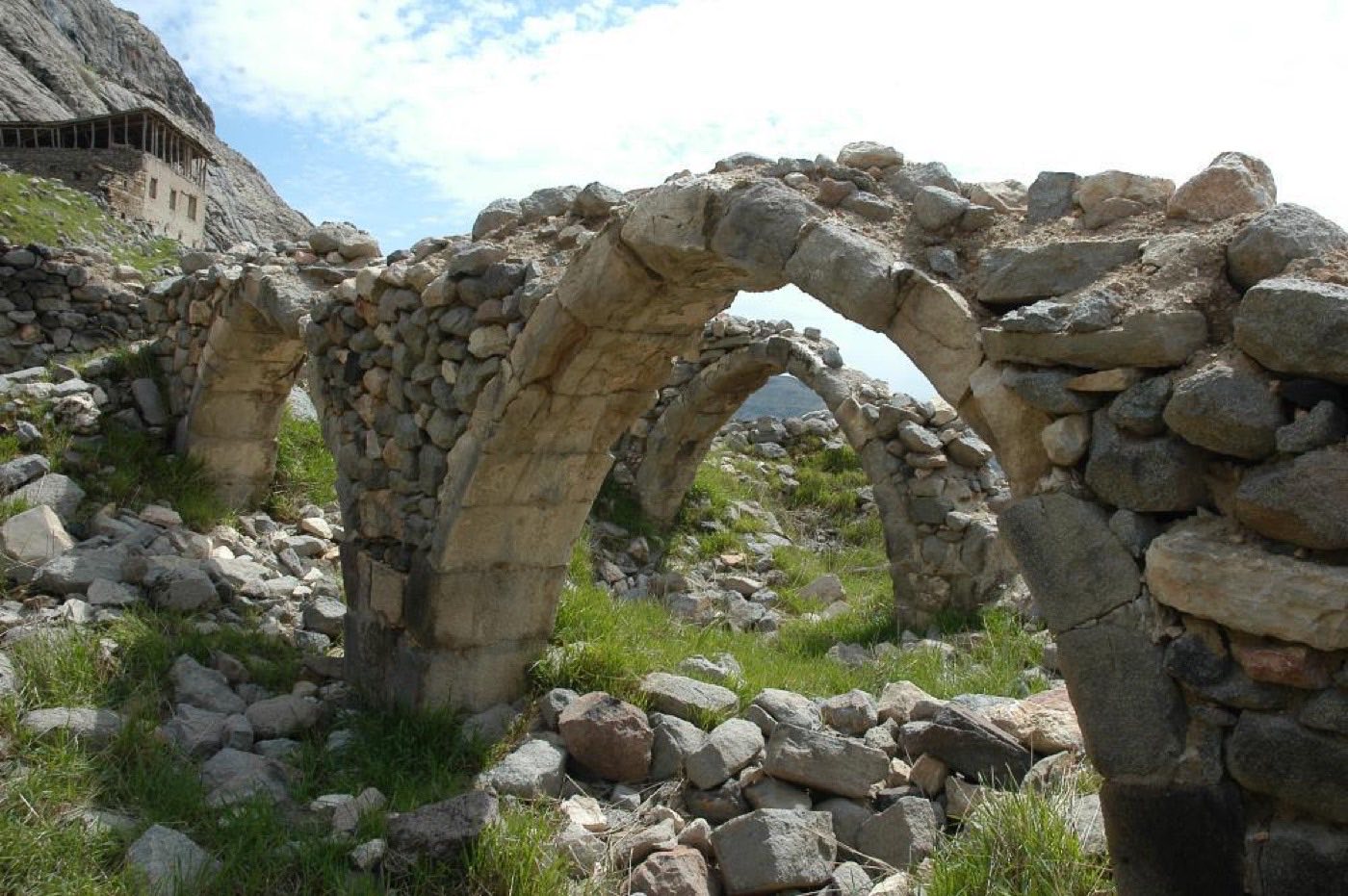
The photographs are compiled from academic publications (see sources). If you have older images of these buildings, we can add them to the archive.
Image and information sources:
  • Istanbul University, Journal of Art History — "Architectural Works in Çemişgezek's Ulukale Village"
  • Enver Çakar — "Ulukale Village During the Ottoman Period," Fırat University Journal of Harput Studies, Vol. V, No. 2 (2018)
  • Republic of Türkiye Ministry of Culture, Erzurum Regional Council for the Conservation of Cultural Heritage — registration inventory (parcel 1380)

The photographs are compiled from these publications; copyright belongs to the respective authors and institutions. If you are a rights holder and would like a photo removed, please contact us.